Showing posts with label synaesthesia. Show all posts

Wednesday, March 26, 2014

To Autumn

What?
  • We focus on image, theme, language, rhythm, rhyme and anything else that strikes you as important in what many consider to be THE LAST POEM I EVER WROTE
  • We do this over the course of two lessons, and conclude our studies on me FOR NOW

Task One:
  • Grab a partner and join me outside. (You may not have noticed, but I am dangerously obssessed with quite interested in nature.)
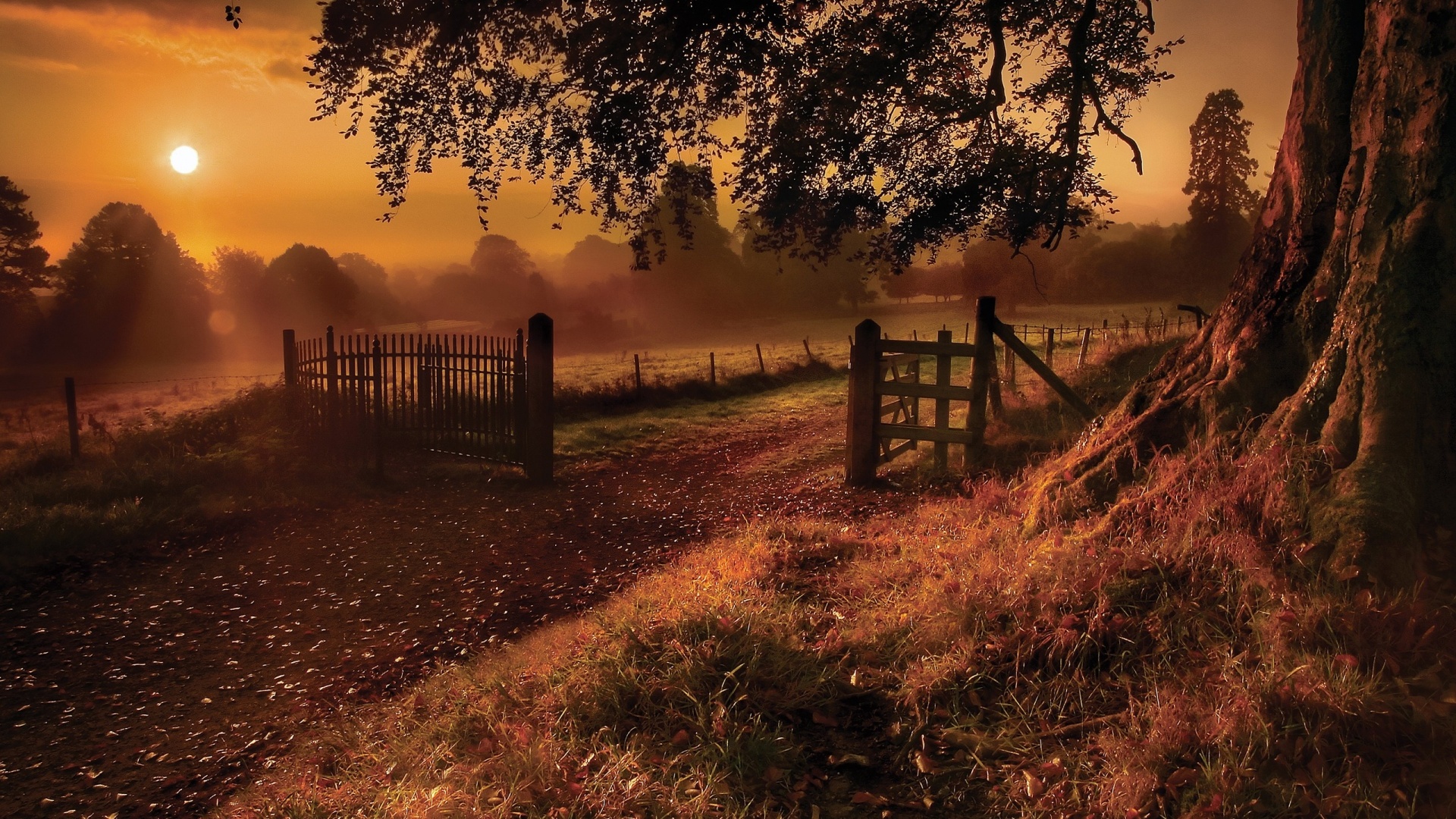
  • Use a suitable recording device (mobile phone?) to take some photos which you feel signify signs that Autumn is with us
  • You will need to post these photos (your three favourite), writing between one and two lines of poetry for each one that you feel fits MY STYLE.
  • Obviously the line of poetry you write should in some way be connected to the picture
  • If you can use a rhythm and meter that I use in my poetry, you are a LEGEND
  • Make sure you save your work - if you do not have time to post it all today, you can do so on Friday
  • DO NOT read my poem on Autumn yet. That would be cheating...
Thursday, March 20, 2014

Ode on Melancholy (Part Deux)

What?

  • We think about how the STRUCTURE helps develop my ideas in the poem
  • We provide some further ANALYSIS
  • You present some of your blog work for the rest of the class to steal 


TUESDAY'S HIGHLIGHTS

  • Many of you commented on how I use elements from the world of nature in this poem. In the first stanza, the various items that may cause or symbolize "oblivion" are all natural (fruits, plants, insects). Again, human desires are intrinsically linked to the natural world.
  • The religious reference to the "rosary" was noted. Carola decided it acts as a metaphor to suggest the speaker argues we should not let death or oblivion (symbolized by the poisonous "yew berries") become our 'religion'.
  • Tomas and Sofia both noted the references to ancient myths (Greek, Egyptian...). Tomas argued I use these allusions to suggest that our desire for escape (oblivion, death, that kind of thing) is a universal facet of humankind- it has been with us for centuries.
  • Ana drew our attention to the simile of the "weeping cloud", which we agreed works on a number of levels to suggest the qualities of melancholy to the reader. Again, notice how I use the natural world to explore human experience and emotion. Can you find examples from previous poems?? Yeah Mr White;yeah nature!
  • Tomas commented on the use of assonance and sibilance in the second stanza: "feed deep, deep upon her peerless eyes." Here I manage to capture through sound something of the almost hypnotic attraction of the eyes of the "mistress".
  • Many of you noted how, like my other poems, I am concerned with the transience of our lives, and the paradoxical nature of human experience: that pleasure causes pain (because it does not last), and that deep sadness is something to be embraced. Why does Keats argue we should embrace it? Can we find the answer in the last stanza??


Monday, March 17, 2014

Synaesthesia in Ode on A Grecian Urn

We have discussed before my use of synaesthetic imagery.

What is it?

A literary term for an image that combines two or more of the senses or physical sensations normally considered as seperate (ie. sight, hearing, taste, touch, smell, temperature, weight, pressure, hunger, thirst, sexuality, and movement), that in other words attributes the traits of one sense to another.

Believe it or not, it is also a condition that around 1 in 2000 people have!


Synaesthesia in Ode on a Grecian Urn


"Sylvan historian, who canst thus express
  A flowery tale more sweetly than our rhyme:"


The urn here is described in terms of its visual qualities ("flowery"), its ability to metaphorically speak to its audience and thus be heard ("express", "tale"), and how this appeals to taste ("sweetly").


Effects

Of course, it's no good just identifying my images. You must also explain what effects, or what functions they have in the poetry. It is your explanations of this that will truly show your understanding of my literature.

Firstly, and most obviously, this combining of sensations allows my poems to have a truly sensual flavour, appealing to the whole range of human sensations.


Secondly, consider the tenets of the Romantic movement, and how this may demonstrate them - the emphasis on unity, of a harmony involved in human experience and our perception of the world. Consider how my practice of synaesthesia may allow me to suggest this oneness of experience, the immediacy and completeness of our experiences with the world around us.
TASK

  • Can you find another synaesthetic image in my poem, 
  • quote it,
  • explainwhat senses it refers to,
    and provide an explanation ofeffects?
    (Use what you have read above to help...)
  • Upload it to your blog under the heading "Synaesthesia in Ode on a Grecian Urn" (including a suitable picture if you have time...